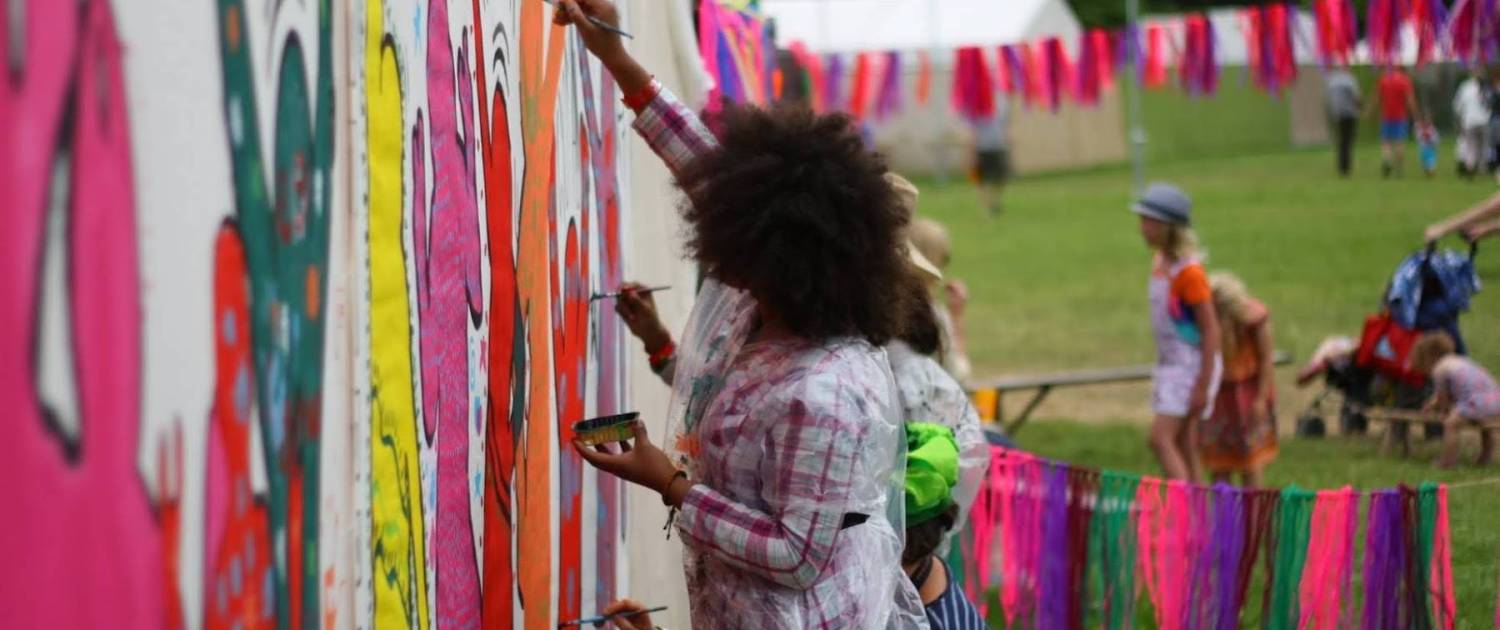
Community Co-creation
I have spent almost 30 years working with people to develop public art, murals and creative projects.
That experience has taught me that good participation is not simply about asking people what they would like to see painted on a wall. The strongest projects create a genuine creative conversation: giving people interesting ways to explore ideas, tell stories, experiment with materials and contribute meaningfully to the development of the artwork.
My role is to listen carefully, recognise the strongest themes and ideas that emerge, and bring them together into artwork that feels both genuinely connected to the people involved and visually coherent.
Different projects need different kinds of participation
- informal conversations and drop-in sessions
- structured consultation events
- drawing and design workshops
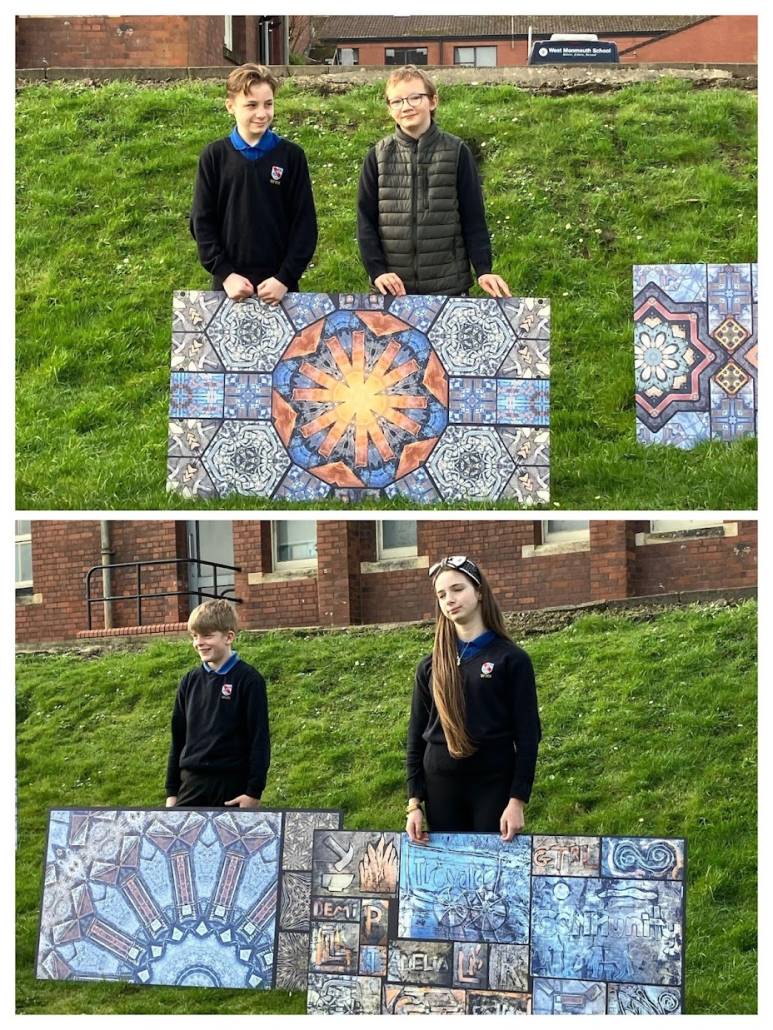
- creative sessions in schools
- painting and mark-making
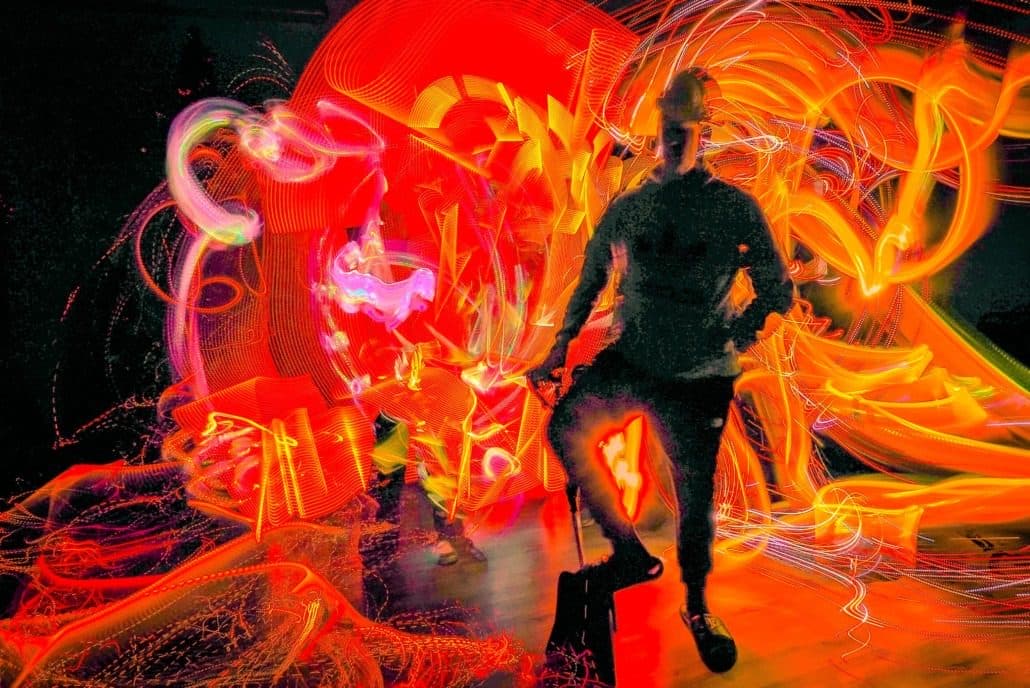
- photography and image gathering
- local history and environmental research
- storytelling and memory
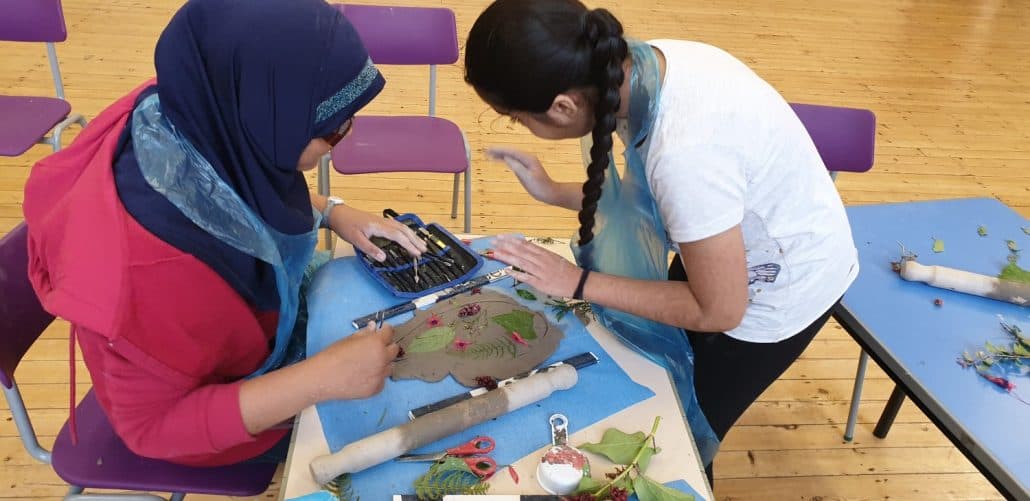
- collaborative making
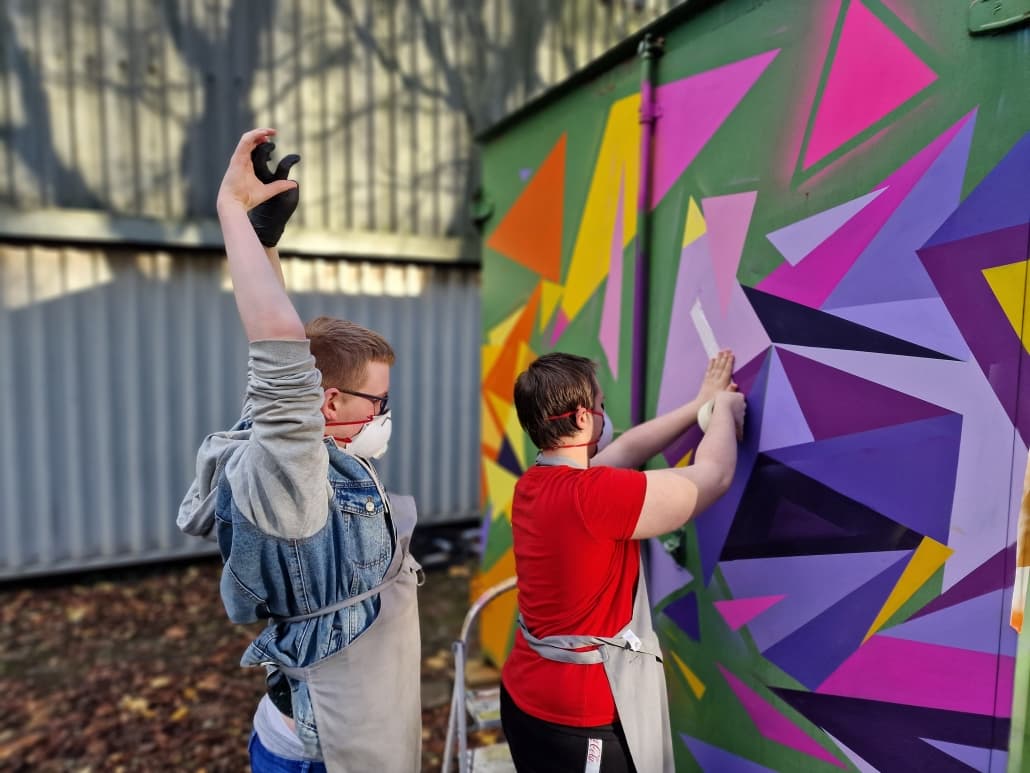
- direct participation in the finished artwork
Sometimes participants contribute imagery that appears quite directly in the final work. In other projects the process is more interpretive: conversations, drawings, colours, memories, local references and workshop experiments become the raw material from which I develop the final design.
Participation can influence the idea, the imagery, the making, the interpretation or the experience — and it does not need to do all five at once.
Artist-led, genuinely participatory
A public artwork often needs to represent many different people, ideas and experiences. Trying to include every suggestion literally can quickly produce an artwork that feels more like a collection of separate objects than a considered composition.
Part of my job is therefore to find connections between people’s contributions — recurring themes, stories, places, shapes, colours and values — and translate those into a strong artistic response.
The finished artwork may be my design, but the thinking behind it can be deeply influenced by the people who use and understand the place.
Participation as a creative experience
Particularly when working with children and young people, I want participation to be more interesting than simply asking everyone to produce a drawing for an artist to copy.
Workshops can introduce participants to professional materials, techniques and ways of thinking. They can experiment, take risks, work collaboratively and see how an initial idea develops into a large-scale artwork.
That means people gain something from the creative process regardless of whether their individual drawing ultimately appears on the wall.